
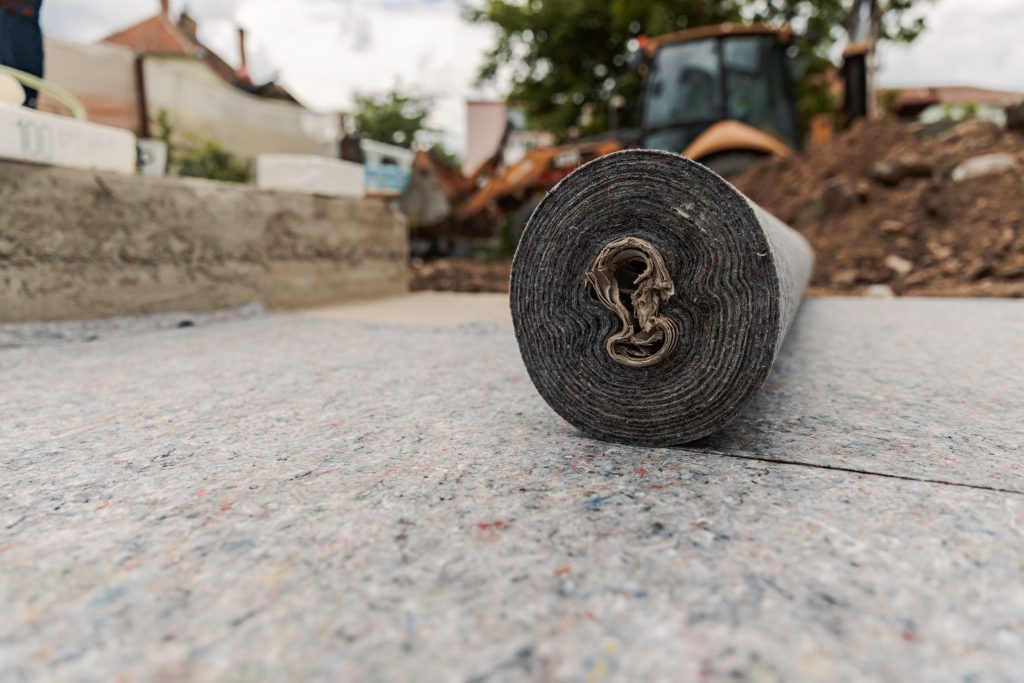
Modern construction has changed the way engineers build roads, parking areas, and retaining walls. Geosynthetics such as geotextile drainage fabric and geogrid for slope stabilization have replaced many old methods that relied on large amounts of gravel or rock. These new materials are stronger, lighter, and more efficient. They are also better for the environment because they reduce waste and use fewer natural resources.
Today, geosynthetics are used in almost every part of civil engineering. From road construction to drainage systems, they help stabilize soil, reduce soil erosion, and handle heavy loads more effectively than traditional aggregate.
How Geosynthetics Improve Site Stability
Old construction methods used thick layers of stone and compacted soil to hold the ground in place. This worked for a time but often failed after years of pressure and rain. Geosynthetics solve that problem.
Materials like woven geotextile fabrics and non woven geotextile improve filtration and drainage while separating layers of soil and rock. They also reinforce soils so that the ground stays firm and stable.
When engineers add geogrid for slope stabilization, the soil gains extra strength. This combination keeps slopes secure, prevents cracks in pavements, and supports retaining walls on uneven ground.
Woven vs Non Woven Geotextile
The difference between woven vs non woven geotextile is important. Each type serves a unique purpose.
Woven geotextile fabrics are made by weaving fibers together. They are strong and resist stretching, which makes them ideal for separation and reinforcement in road construction and retaining walls. They perform well under heavy loads and help stabilize surfaces for the long term.
Non woven geotextile is softer and more flexible. It is made with a needle punched process that creates small openings for water flow rate. These fabrics are used in french drain systems and other drainage project designs where water must pass easily through the soil.
Both are important types of geotextile, and when used together, they create a balanced system that supports structure and controls water at the same time.
Better Filtration and Drainage
Good drainage keeps every construction project strong. When water builds up under soil, it weakens the foundation and causes settlement. Using geotextile drainage fabric and woven and nonwoven geotextiles helps control flow rates and improves the performance of drainage systems.
In most projects, engineers combine both woven and non woven layers. The woven fabric adds strength while the nonwoven layer improves drainage. This design keeps soil particles from clogging pipes and protects surrounding materials from washing out.
These fabrics also reduce maintenance and repair needs because they continue to perform even after years of exposure to rain and heavy loads.
Advantages in Road and Pavement Construction
Geotextile pavement and geogrid for slope stabilization are widely used in road and highway projects. When placed between the soil and base layer, they distribute stress evenly and prevent cracking. This design allows roads to last longer with fewer repairs.
Woven geotextile fabrics are often used for highways and industrial yards because they handle heavy loads well. Non woven geotextile helps drain water away from the base, keeping the road dry and strong. Together, they reduce construction time and material use, which improves cost effectiveness.
These benefits make geosynthetics the first choice for modern road design, especially in places with poor soil or wet conditions.
Environmental and Economic Benefits
Geosynthetics are better for the environment than traditional materials. Using them means fewer trucks hauling rock, which reduces emissions and energy use. Materials like slit film geotextiles are light, easy to transport, and quick to install.
Because these types of geotextile are made to last, they lower waste over the life of a project. They also help maintain water flow rate, stop soil erosion, and keep local water systems clean. The long term benefits include lower maintenance costs, reduced flooding, and stronger infrastructure overall.
Performance on Slopes and Retaining Walls
Building on steep slopes or near retaining walls requires reliable support. Geogrid for slope stabilization strengthens the soil while woven and non woven fabrics control water flow rate and drainage. Together, they reduce pressure on the wall and keep soil in place during storms.
These systems protect against both erosion and failure. They keep slopes safe while maintaining the proper flow rates needed for drainage. The result is a stable site that performs well even under constant stress.
Why Geosynthetics Are the Future of Construction
Geotextile drainage fabric, woven geotextile fabrics, and non woven geotextile products are changing how engineers design and build. They work for many uses, from french drain systems to road construction and drainage systems in large developments.
Engineers now prefer these materials because they are easier to install, lighter to transport, and stronger than older aggregate solutions. Whether used for slope stabilization or separation and reinforcement, geosynthetics provide consistent performance and lower costs for every drainage project.
Conclusion: Stronger, Smarter, and More Sustainable
Geosynthetics represent the next step in civil engineering. They make construction safer, faster, and more sustainable. By using woven vs non woven geotextile, geotextile pavement, and geogrid for slope stabilization, engineers create structures that last longer and resist soil erosion.
These materials replace outdated aggregates with smarter designs that improve drainage systems, support heavy loads, and strengthen the soil beneath our infrastructure. Their efficiency and flexibility ensure that geosynthetics will continue to lead the future of site stabilization.