
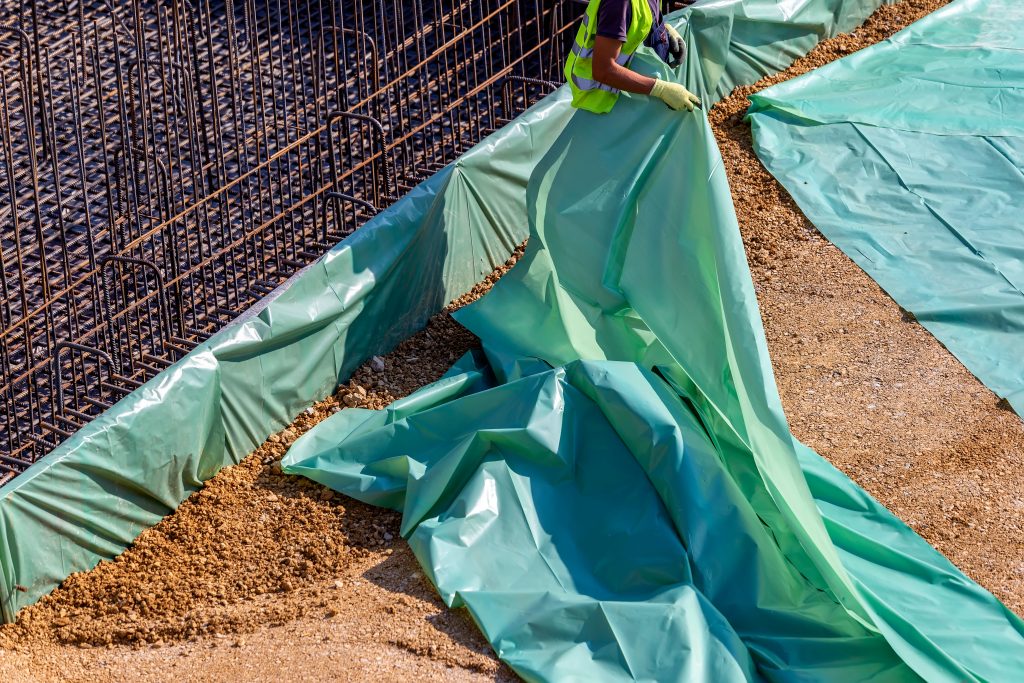
In modern construction and civil engineering, few innovations have reshaped ground reinforcement as effectively as geogrid and geotextile fabric technologies. These synthetic materials are essential in projects where soil alone cannot provide sufficient strength or stability. Whether supporting highways, retaining walls, or embankments, they form the foundation of reliable and long-lasting ground stability.
Both geogrid for slope stabilization and geotextile fabric for erosion control play critical roles in modern drainage systems. They prevent soil and aggregate from mixing, promote natural water flow, and reinforce soils against settlement and erosion. The result is infrastructure that performs better, endures longer, and delivers strong cost effectiveness for engineers and contractors.
How Geogrids and Geotextiles Work Together
Although geogrid and geotextile fabric serve different purposes, they are often used together for maximum benefit. Geogrid for slope stabilization provides tensile reinforcement by interlocking with surrounding soil to improve load-bearing capacity. In contrast, geotextile fabric functions as a separator, filter, and drainage layer that allows water to pass while maintaining soil integrity.
When both materials are combined, they form a stable composite layer beneath parking lots, embankments, and retaining walls. This layered approach reduces settlement, distributes loads evenly, and minimizes pavement cracking or deformation. Proper installation ensures that slope stabilization is maintained even under heavy traffic or saturated conditions.
Types of Geotextiles: Woven and Non-Woven
Geotextiles are typically classified as woven geotextile fabric or non woven geotextile fabric, and each has its advantages. Woven geotextile materials are created by weaving individual yarns together to produce strong, durable sheets. These woven fabrics are well-suited for applications requiring reinforcement and separation, such as roadway bases and embankments, where heavy duty performance is needed.
By comparison, non woven geotextile fabric is manufactured using a needle punched bonding process that forms a porous, flexible material. It is ideal for drainage and filtration because it permits excellent water flow while preventing soil migration. This type of geotextile fabric is commonly used in french drains, trenches, and erosion control areas.
Both types of geotextiles are often paired with filter fabrics or erosion control fabric to increase soil stability and support consistent drainage in challenging environments.
Applications Across Construction and Infrastructure
Geosynthetics have become an essential part of almost every infrastructure project. Beneath roadways and asphalt overlay systems, geotextile membrane layers act as separators that keep fine soils from migrating into aggregates while distributing load evenly. On embankments or steep slopes, geogrid for slope stabilization provides additional reinforcement that helps maintain structural integrity.
In the construction of retaining walls, geogrids are installed horizontally between soil layers behind the wall to anchor and strengthen the structure. This approach reduces lateral pressure and enhances wall performance. At the same time, geotextile fabric for erosion control helps relieve hydrostatic pressure by allowing drainage behind the wall, ensuring that water exits without carrying away fine soil particles.
Even where vegetation is slow to grow, geotextile fabric and geogrid systems stabilize the surface until root structures are fully established, preventing slope failure and soil erosion.
Erosion Control and Drainage Benefits
Erosion can rapidly undermine structures and landscapes. Geotextile fabric for erosion control and geogrid for slope stabilization provide dual protection by reinforcing soil and managing water velocity. Together, they prevent erosion by controlling surface runoff and holding soil in place.
In drainage systems, geotextiles serve as filter fabrics that wrap around drainpipes or french drains to stop sediment from entering. This configuration maintains flow and reduces maintenance costs over time. The integration of geotextile membrane, geogrid, and erosion control fabric creates a stable and efficient system for managing both water and soil, preserving site integrity through all weather conditions.
Material Advantages and Long-Term Performance
The strength of geosynthetics lies in their durability and versatility. Both woven geotextile fabric and non woven geotextile fabric resist decay, chemical damage, and UV degradation, ensuring reliable long term performance. Heavy duty versions are designed for demanding environments such as highways, industrial yards, and airfields where extreme load and traffic conditions are present.
Beyond their strength, these fabrics offers high permeability that allows steady water flow through the soil, reducing the risk of hydrostatic pressure. By maintaining separation and filtration, geotextile fabric helps sustain drainage systems while reducing maintenance needs. These qualities contribute to better cost effectiveness and long-term sustainability for infrastructure projects.
Improving Soil Strength and Performance
In the past, soil reinforcement relied heavily on dense aggregates or compaction. Modern geosynthetics achieve the same or better results with less material and effort. Geogrid structures distribute loads across wider areas, preventing rutting and settlement. When placed beneath parking lot surfaces, geogrids extend pavement lifespan by improving load support and reducing deformation.
At the same time, geotextile fabric provides filtration and separation beneath the aggregate layer, ensuring that fine particles stay contained while promoting consistent water flow. This layered system stabilizes the ground and minimizes erosion during rainfall, providing enhanced ground stability and durability over time.
Selecting the Right Fabric for the Project
Choosing the appropriate material depends on project conditions. Woven geotextile fabric is ideal for reinforcement and load distribution, while non woven geotextile fabric works best for drainage and filtration. In complex sites, a combination of both may be specified to achieve the desired balance between strength and permeability.
Engineers assess factors such as soil type, gradient, expected load, and drainage systems design before selecting the appropriate geogrid or geotextile membrane. When matched correctly, these materials enhance performance, extend service life, and ensure stability for both structural and environmental applications.
Conclusion: Building Strength Below the Surface
Geosynthetic materials have permanently changed the way engineers design and stabilize infrastructure. By integrating geogrid for slope stabilization, woven geotextile fabric, and non woven geotextile fabric, construction professionals can achieve superior slope stabilization, consistent drainage systems, and long-lasting ground stability.
These innovative fabrics offers strength, flexibility, and cost effectiveness that traditional materials cannot match. Whether used for retaining walls, road reinforcement, or erosion prevention, geosynthetics represent the future of stable, sustainable construction. With proper installation and maintenance, they deliver long term performance and create resilient foundations that stand the test of time.