
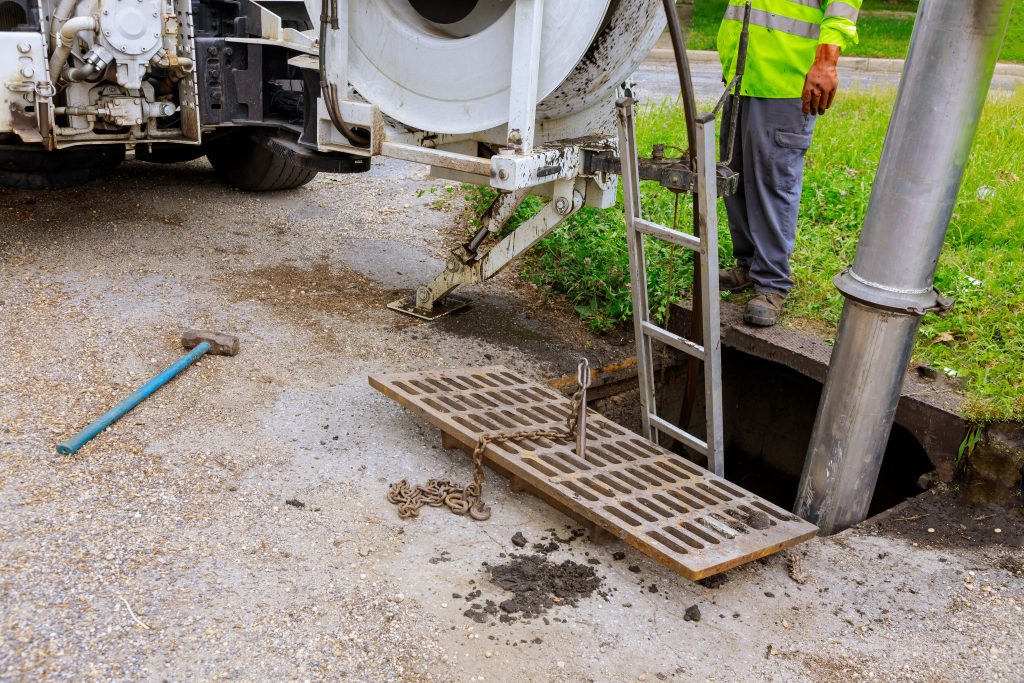
Stormwater drainage systems are only as effective as their weakest entry point. Often, that weakness is a missing or clogged protection device. While storm drains, culverts, and detention tanks are engineered to handle large volumes of water, they’re easily compromised by debris buildup.
Installing the right trash racks, culvert trash racks, and inlet protection devices can dramatically reduce the risk of backups, overflows, and infrastructure failures — all at a fraction of the cost of emergency repairs.
What Trash Racks Really Do
A trash rack is more than a piece of steel grating. It’s the first line of defense in a stormwater system, positioned at the entrance of culverts, stormwater drains, and pipes to prevent debris like branches, litter, and sediment from entering.
Without a trash rack, water may enter the system faster, but so will blockages. These obstructions reduce capacity, block flow, and cause water to back up onto streets, parking lots, and nearby properties. In flood-prone zones, even a few inches of unplanned water can cause major disruption.
Galvanized steel is commonly used for trash racks due to its strength and corrosion resistance, ensuring long-term performance across both commercial and residential environments.
The Role of Culvert Trash Racks in Flow Efficiency
Culverts are designed to move water under roads or embankments, but they can only work if flow is unobstructed. A culvert trash rack ensures debris is filtered out before entering the pipe, protecting not just the culvert, but everything downstream — including storm drain covers, detention systems, and sewer systems.
When culverts clog, water is forced to find another route, often eroding road shoulders or flooding adjacent areas. With proper trash rack installation, water flows through safely, and maintenance becomes more manageable.
Inlet Protection During High-Volume Events
During heavy rainfall, stormwater runoff from impervious surfaces accumulates rapidly and heads straight for the nearest inlet. These inlets are typically covered with drain covers or drain grates, which prevent large debris from entering. However, sediment, mulch, and trash can still get in unless protected with inlet filters or surrounding barriers.
These devices slow the flow temporarily, allowing finer materials to settle before they enter the system. This reduces sediment accumulation inside detention tanks and storm drains, helping the system retain peak performance over time.
Preventing System Overload and Costly Failures
When a stormwater detention tank becomes clogged with debris, it can’t do its job — which is to temporarily hold and slowly release runoff over a short period or period of time. That overload pushes water into unwanted areas, stresses the sewer system, and can lead to infrastructure collapse.
By investing in trash racks and inlet protections, drainage systems stay cleaner, function longer, and resist unexpected failures. These components are especially important when comparing detention tank vs retention tank applications, as both rely on unobstructed flow to perform properly.
The Low Cost of High Impact
Compared to repairing a washed-out culvert or replacing a failed detention system, the cost of installing high-quality trash racks or reinforced drain grates is minimal. These small features protect the entire stormwater network and should be treated as essential — not optional — in any stormwater management plan.
Smart infrastructure is proactive. A properly installed trash rack today could be the difference between efficient drainage and a flooded street tomorrow. For contractors and municipalities alike, inlet protection is one of the most cost-effective steps toward reliable stormwater control.