
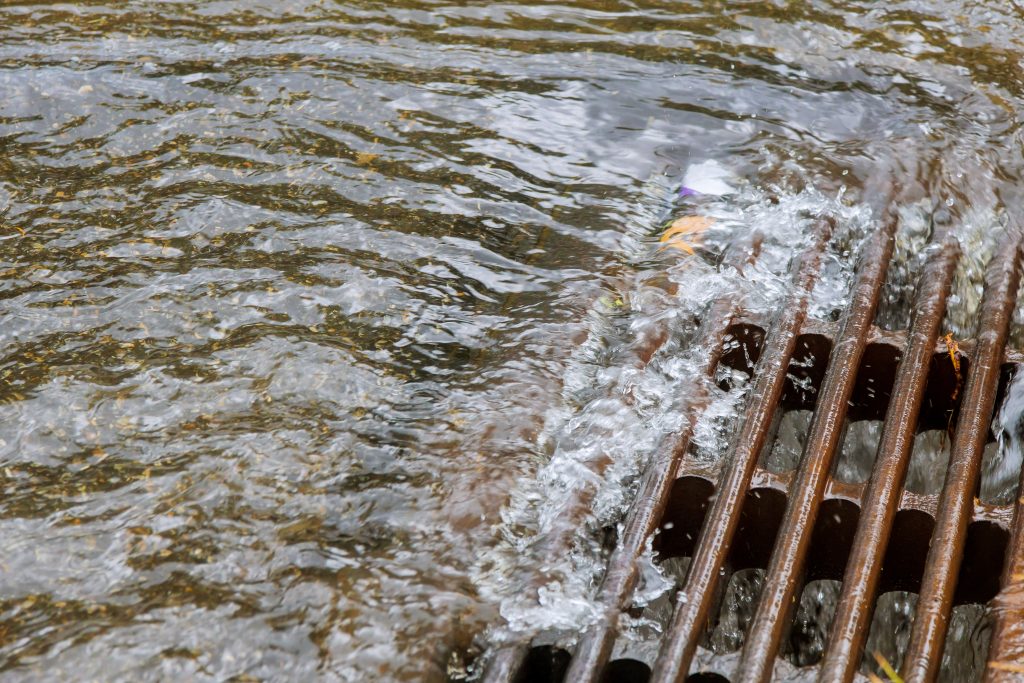
Stormwater drainage works best when gravity does the heavy lifting. But when grading and slope design are off, even slightly, the system breaks down. Water doesn’t flow where it should, culverts overflow, and runoff accumulates in all the wrong places.
Improper slope and grading are among the top reasons stormwater systems fail to manage high volumes of water effectively. From construction sites to completed commercial and residential developments, the results can be both chaotic and costly.
The Chain Reaction of Poor Grading
It starts with water pooling where it shouldn’t. A misaligned slope causes stormwater runoff to bypass storm drain covers and flow toward low spots with no drainage infrastructure. This puts undue pressure on adjacent storm drains, detention tanks, and drain grates, which may not be designed to handle the redirected load.
Over time, this imbalance leads to overwhelmed sewer systems, standing water, erosion, and even undermining of nearby roads and foundations. In cases where a stormwater detention tank is present, misrouted flow can enter too quickly, exceeding design capacity and forcing unplanned overflow.
Culverts Can’t Compensate for Bad Design
Many engineers assume a large culvert can solve most stormwater issues. But even a well-installed culvert needs proper slope to function. Without the correct grading, water stalls at the culvert entrance, or worse, flows backward. A culvert trash rack might catch debris, but it can’t correct flow errors caused by improper elevation.
Galvanized steel trash racks are helpful in filtering out solids, but if water isn’t flowing efficiently into the culvert, the system can’t do its job. Storm drain infrastructure depends not only on the materials used but on the layout and flow engineering guiding them.
Stormwater Management Requires Flow Precision
Both detention systems and retention tanks are designed to deal with stormwater over a short period or a period of time, depending on the site’s needs. A detention tank temporarily holds water and slowly releases it back into the ground or nearby systems, helping prevent overloads.
However, when slope miscalculations divert stormwater away from these systems, the tanks sit empty while other areas flood. This reduces the overall effectiveness of the stormwater management plan and leads to complaints, damage, and regulatory issues.
Misalignment Across Impervious Surfaces
One overlooked detail in site development is how impervious surfaces like parking lots contribute to stormwater chaos. These surfaces shed large volumes of water quickly, which should be directed toward a stormwater drain, drain grate, or inlet structure. If slopes direct water across driveways, into landscaped areas, or toward pedestrian zones, that runoff becomes a hazard.
In larger developments, poorly managed runoff can erode curbs, backflow into buildings, or bypass catch basins entirely. Even high-quality drain covers and storm drains won’t solve a system-wide slope issue.
Fixing the Problem Before It Starts
The solution is early intervention. Engineers must conduct flow modeling during site design to ensure all water paths direct runoff to designated stormwater collection points. Slope corrections, properly placed storm drain covers, and slope-aware detention tank vs retention tank planning must be incorporated from the beginning.
Once slope issues are built into the site, retrofitting becomes expensive and logistically challenging. The time to address storm drain chaos is at the blueprint stage, not after the pavement cracks.
A strong stormwater drainage system depends on more than just pipes and tanks. It relies on precise grading, careful slope management, and the strategic placement of every component in the chain. Get those right, and the rest will flow.